Black & white · 5 min read
Art for Scandinavian Interiors
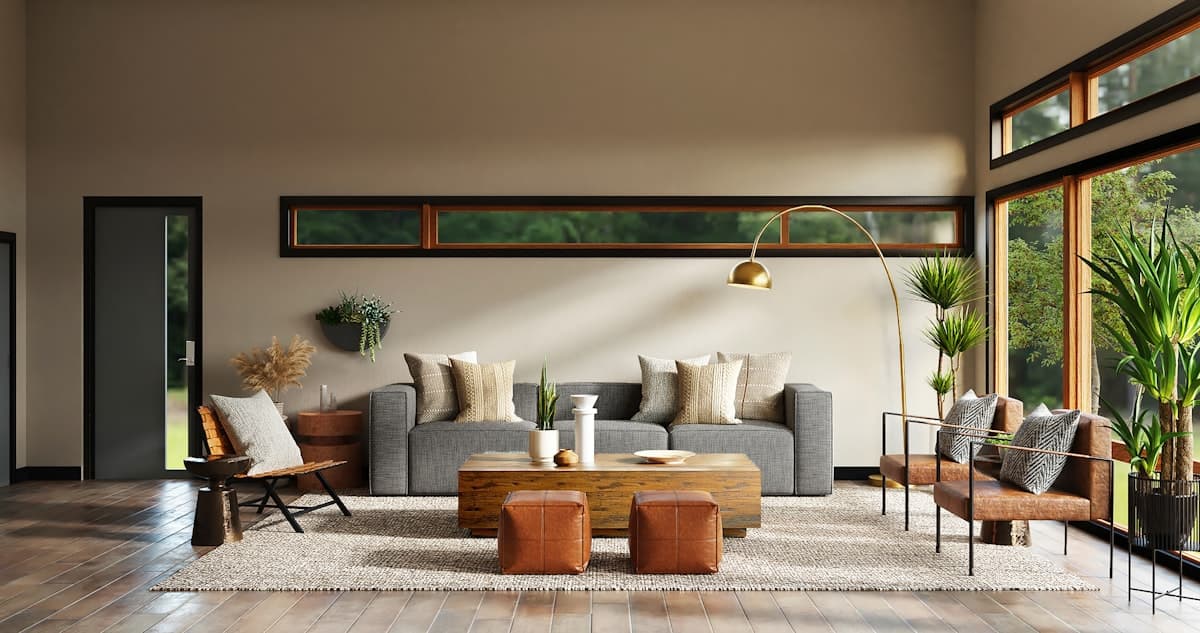
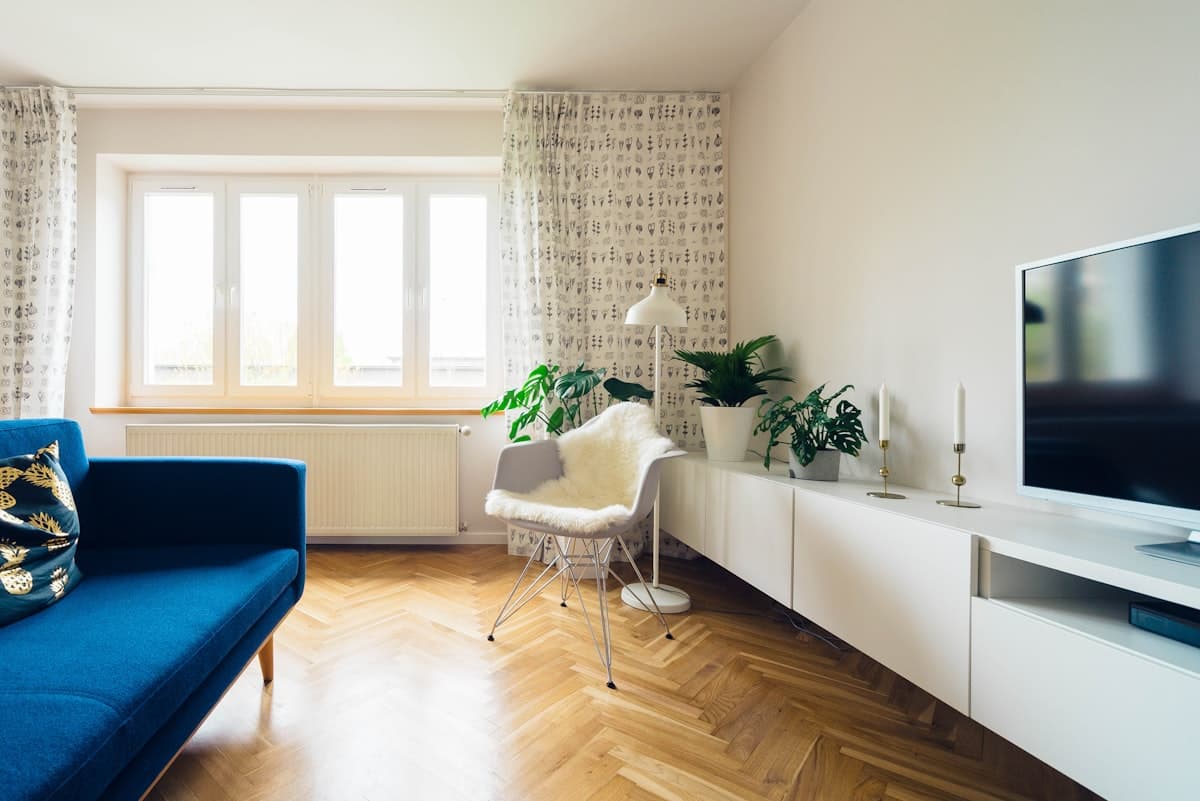
Scandinavian rooms invert the usual advice: the risk is not hanging something too small, it is hanging something too loud. What actually…
Signed fine-art prints — shipped across Europe & to the USA, free EU delivery over €175
The journal
Practical guides to choosing, sizing, hanging, framing and collecting fine-art prints — written for people buying art for a real room, not a gallery.
The ArtMarket Journal is 33 practical guides to buying, sizing, hanging, framing and caring for fine-art prints, written for people furnishing a real room rather than for dealers. The guides split into three strands: home and styling, buying and collecting, and photography. None of them sells a specific work.

Black & white · 5 min read
Scandinavian rooms invert the usual advice: the risk is not hanging something too small, it is hanging something too loud. What actually…

Photography · 5 min read
Japandi shares Scandinavian discipline but not its temperature. What that changes about the art — and the one arrangement that reliably…

Contemporary · 5 min read
A Mediterranean room is a light problem solved with colour. That has a direct consequence for art — and it is the opposite of the advice…

Contemporary · 5 min read
Modern apartments impose four constraints most styling advice ignores: white walls you cannot paint, open plan, not much wall, and a…

Photography · 5 min read
Art in a short-let has a different job: it has to photograph well, survive strangers, and offend nobody. That narrows the field usefully.

Premium Photos · 5 min read
Specifying art across twenty rooms raises a problem a private buyer never has: how to be coherent without being repetitive. A framework…

Contemporary · 5 min read
A home office has two walls that matter and they need different things: the one behind you, which other people see all day, and the one…

Photography · 5 min read
The bedroom is the one room where art is seen mostly from lying down, in low light, at the start and end of a day. That changes what…

Mixed Media · 4 min read
Giving art feels risky when you don't know someone's taste. It isn't — if you read the room they live in rather than guess at a favourite,…

Contemporary · 3 min read
A grounded look at where wall art is heading in 2026 — the shifts worth acting on, tied to work you can actually buy, and the fads not…

Photography · 6 min read
Most art in most homes is hung too high. The gallery standard, the exceptions for sofas and stairwells, and how to get it right the first…

Premium Photos · 6 min read
Which print size actually fits your wall — standard dimensions in centimetres, room-by-room recommendations, and how mats and frames…

Contemporary · 4 min read
The living room is the hardest room to get right — multiple sightlines, mixed furniture, a television. Wall-by-wall ideas that hold up in…

Photography · 5 min read
How to choose an art print that actually suits your space — sizing it to the wall, reading the light in the room, and picking a mood you…

Contemporary · 4 min read
A gallery wall is about the relationships between pieces, not the price of any one of them. A step-by-step method for curating prints that…

Contemporary · 5 min read
There is no correct number, but there is a way to arrive at yours — and a clear account of what the extra money buys once you go past…

Premium Photos · 5 min read
Five factors set the value of a print. Two of them are within your control at the moment of buying, one is pure luck, and two are widely…

Modern & Contemporary Art · 5 min read
The difference is not quality — it is economics. What edition size actually does to price, to resale, and to what happens when the run ends.

Photography · 5 min read
Buying photography online has one problem the general advice does not cover: you are judging a physical print from a backlit screen. Here…

Photography · 5 min read
The hard part is not finding good photographs — there are thousands. It is narrowing them to one. A sequence that gets you there without…

Premium Photos · 4 min read
The honest answer to "should I buy a print or hold out for an original?" — what actually separates the two, and why a signed fine-art…

Contemporary · 4 min read
You don't need a big budget or an expert eye to start collecting art — only a spend you're comfortable with, the confidence to buy what…

Photography · 4 min read
Buying art you have never seen in person is a leap. A practical checklist for judging quality on screen, checking what you are actually…
Premium Photos · 6 min read
Every ArtMarket print ships unframed and rolled in a tube. How to flatten it safely, frame it properly, and keep it looking its best for…
Mixed Media · 3 min read
Painting, illustration, collage and digital technique in a single frame — what mixed-media art actually is, how to read it, and why…

Modern & Contemporary Art · 4 min read
What makes a print collectible, how edition numbering works, why the signature matters, and how to begin a collection without overthinking…

Premium Photos · 6 min read
The term gets used loosely enough to mean almost nothing. Here is the distinction that actually holds: intent, control over the print, and…

Mixed Media · 5 min read
Giclée, archival, museum quality — the vocabulary of print production is mostly used to sell rather than to describe. Here is what the…

Premium Photos · 6 min read
Six factors decide whether a photographic print is a collectible object or a nicely printed picture. Only two of them are about the image.

Photography · 6 min read
Three processes, three different objects. What actually separates a C-type from a giclée from an archival pigment print — chemistry,…

Photography · 5 min read
The fraction on a limited-edition print says two different things, and only one of them affects value. Plus what AP, EP and HC mean when…

Photography · 5 min read
A signature on a print is doing a specific job, and it is not the one most people assume. What it proves, where it belongs, and why an…

Black & white · 3 min read
Strip away colour and you are left with light, shadow and form. Why monochrome prints remain a collector favourite — and how to choose one…
These 33 guides are written for someone buying art for a real room, not for dealers or investors. They answer the questions that come up between deciding you want something on the wall and having it hang there: what size, how high, what frame, how to group pieces, how to tell a signed original print from a poster, and how to keep one from fading.
No guide here sells a specific work. Where one links into the gallery it is because the example is easier to see than to describe.
Home and styling covers the spatial decisions — sizing to furniture, hanging heights, gallery-wall layout, choosing art room by room and by interior style, and how the light in a given room changes what a print looks like at different hours.
Buying and collecting covers the decision itself — what to spend, what actually gives a print value, how limited and open editions differ in practice, and how to buy online without relying on a photograph of a photograph.
Photography covers the object — what makes a photograph fine-art rather than decorative, how C-type, giclée and archival pigment printing differ, what an edition number commits a gallery to, and the storage and light conditions that decide whether a print still looks right in twenty years.
If you are buying your first piece, start with sizing and hanging height: they are the two decisions that most often go wrong, and both are cheap to get right and expensive to fix once there are holes in the wall.
If you already own prints and are wondering whether you are looking after them properly, start with the framing and light guides. Fading and cockling are almost always a glazing or humidity problem rather than a print-quality one, and both are far cheaper to prevent than to reverse.
And if you are still deciding whether to buy a print at all rather than a canvas or a poster, the guides on editions, signatures and what to spend are the ones that explain what the price difference is actually paying for. None of them will tell you to spend more than you meant to.
33 practical guides to buying, sizing, hanging, framing and caring for fine-art prints, written for someone furnishing a real room rather than for dealers. None of them sells a specific work.
Centre the piece at roughly 145–150 cm from the floor, which puts it at average eye level. The exception is over furniture: there, hang so the bottom edge clears the sofa or headboard by about 15–20 cm, even if that pushes the centre lower.
A hand signature and a stated edition size. Every work in this gallery is one of 25 and is signed by the artist. A poster is an open, unlimited reproduction with no signature and usually no stated paper stock.
Keep it out of direct sun, use UV-filtering glazing, and avoid hanging it above a radiator or in a bathroom. Fading and cockling are almost always a glazing or humidity problem rather than a print-quality one, and both are far cheaper to prevent than to reverse.
Sizing and hanging height. They are the two decisions that most often go wrong, and both are cheap to get right and expensive to fix once there are holes in the wall.