Premium Photos
What Makes a Photography Print Collectible?
By Alexander van der Meer·· 6 min read
Six factors decide whether a photographic print is a collectible object or a nicely printed picture. Only two of them are about the image.
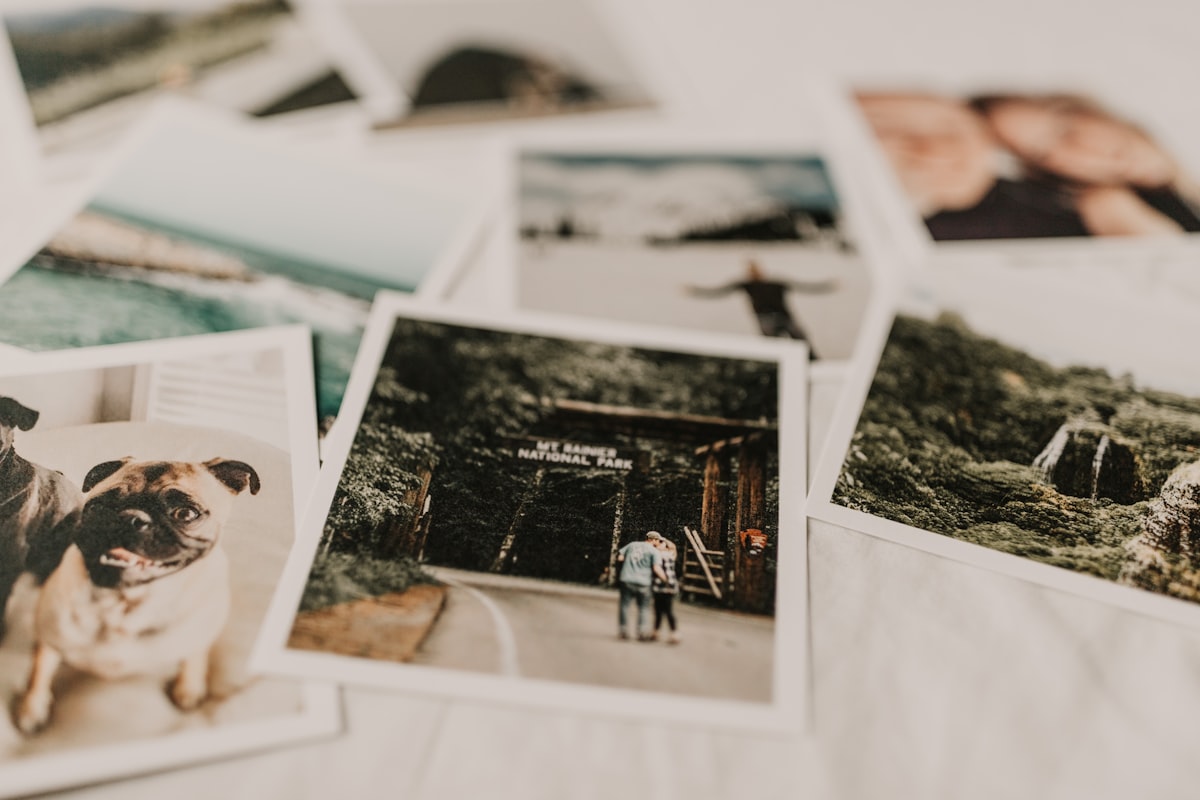
Photography sits awkwardly in the art market. A painting is unique by definition; a photograph could in principle be printed forever from the same file, which is exactly why the medium had to invent conventions to make collecting possible at all. Those conventions are what "collectible" means here — not a judgement about the picture, but a set of conditions the object either meets or does not.
There are six. Only two concern the image itself, which surprises most people the first time they look closely.
1. Edition size, and whether it is honoured
The single biggest factor. A photograph in an edition of 5 and the same photograph in an edition of 500 are different propositions, and the difference is not linear — scarcity compounds. Smaller editions concentrate demand, and the last prints in a short run behave very differently from the first.
What matters as much as the number is whether the edition is real. A run that "ends" and then reappears in a different size, or as an "artist's proof" series of forty, was never an edition in the sense that matters. The commitment is that the work is not printed again in that format, full stop.
Every work in this gallery is an edition of 25 with a counter on the product page that moves when an order is paid rather than being adjusted by hand. Twenty-five is deliberately modest — small enough to mean something, large enough that a first print stays affordable. The comparison of limited and open editions covers why that number is chosen rather than a larger one.
2. The signature
A hand signature does two jobs. It confirms the photographer saw and approved that specific physical print, and it makes the object hard to substitute. An unsigned print of the same image from the same file is a different and much weaker thing on the secondary market.
Where it sits matters less than whether it is real. Signing on the reverse — the practice here — keeps the mark out of the image and is entirely standard; signing in the lower margin is equally accepted. What is not acceptable is a printed facsimile signature, a stamp, or a signature applied by anyone other than the artist. Why signing became the convention goes into the history.
3. Provenance and paperwork
Provenance is the documented chain from the artist to you. For a new print that chain is short, which is an advantage: you are the first owner and the record starts clean. What you need is documentation that survives you owning it.
A certificate of authenticity should name the work, the artist, your number in the run, the printed format and the date — describing your particular copy rather than the edition in general. A card that says only "this is a genuine limited edition print" documents nothing. Every print here travels with a certificate filled in and signed by hand in the tube alongside it.
Keep it. Keep the original invoice too. In fifteen years those two pieces of paper are the difference between a print with a history and a print with a story.
4. Print quality and process
Here the object itself finally matters. Two properties count: how the print looks now, and how long it will keep looking that way.
Longevity is a function of ink and paper. Archival pigment inks on acid-free cotton or premium photographic paper are rated in decades under normal indoor light; dye-based inks on ordinary stock can shift visibly within a few years. This is not a subtlety — it is the difference between an object that can be collected and one that cannot.
Quality is mostly about tonal separation: whether the deepest shadows stay distinct from each other rather than collapsing into flat black, and whether the highlights hold detail rather than blowing out to paper white. It is easiest to judge in monochrome, which is one reason serious collectors so often start there.
5. Condition
Photographic prints are more fragile than people assume. The three things that damage them are light, humidity and handling, in that order.
- Light. Direct sun will fade any print from any gallery. UV-filtering glazing and a wall out of the sun's path are the whole of the answer.
- Humidity. Cotton papers absorb moisture and cockle. Avoid bathrooms, and avoid hanging on an exterior wall that runs cold.
- Handling. Fingerprints on the surface are permanent on some papers. Handle by the edges, or by the mat once framed.
A print kept flat, framed behind UV glazing and hung out of direct light will outlast its first owner. Our framing and care guide covers the practical side.
6. The artist's trajectory
The least controllable factor and the one that moves prices most. Value in photography tracks the artist's standing — exhibitions, institutional collections, critical attention — far more than it tracks the individual print.
This is also the factor you cannot buy your way into, because by the time an artist's trajectory is obvious the early prices are gone. The honest position for a new collector is that you are not going to predict it, and should not try. Buy on the first five factors and on whether you want to look at the image every day, and treat the sixth as weather.
A practical checklist
Before buying, confirm: the edition size is stated and finite; the print is hand-signed; a certificate names your number; the paper and process are named; the seller has a returns window. If all five are true you are buying a collectible object rather than a decorated one.
The larger works in the gallery are the usual starting point for people buying with this in mind, though edition and process are identical across every price. Prints start at €65, ship rolled in a protective tube with the certificate, and can be returned within 14 days.
Frequently asked questions
- What makes a photography print collectible?
- Six things: a genuinely finite edition, a hand signature, documentation naming your specific print, archival print quality, good condition, and the artist's standing. Only print quality and the image itself concern how the picture looks — the rest are properties of the object and its paperwork.
- Does edition size really matter?
- It is the single biggest factor. A print in an edition of 25 and the same image in an edition of 500 are different propositions, and scarcity compounds rather than scaling linearly. What matters equally is whether the edition is honoured — a run that reappears in another size was never a real edition.
- Is a print still collectible if signed on the back?
- Yes. Signing on the reverse is standard practice and keeps the mark out of the image; signing in the lower margin is equally accepted. What matters is that the artist signed that physical print by hand, rather than a printed facsimile or a stamp being applied.
- How important is the certificate of authenticity?
- Important, provided it describes your copy rather than the edition in general. It should name the work, the artist, your number in the run, the printed format and the date. Keep it with the original invoice — together they are the print's provenance record.
- How long will a photographic print last?
- Archival pigment inks on acid-free cotton or premium photographic paper are rated in decades under normal indoor lighting. The variables that shorten that are direct sunlight, humidity and handling. Framed behind UV-filtering glazing and hung out of the sun, a print will outlast its first owner.
- Should I buy photography as an investment?
- Buy it as a purchase. Photographic prints can appreciate, but the market is narrow and driven by the artist's reputation rather than by the print, and no one can reliably predict which trajectory rises. Buy on edition, signature, documentation and quality — and because you want to look at it.
- Does a numbered print need to be low-numbered to be valuable?
- Not for photography. In printmaking traditions where plates wear, a low number meant a sharper impression; digital and photographic processes produce identical prints throughout the run, so 1/25 and 24/25 are the same object. What matters is where the edition stands, not your position in it.