How do I choose art for a specific room?+
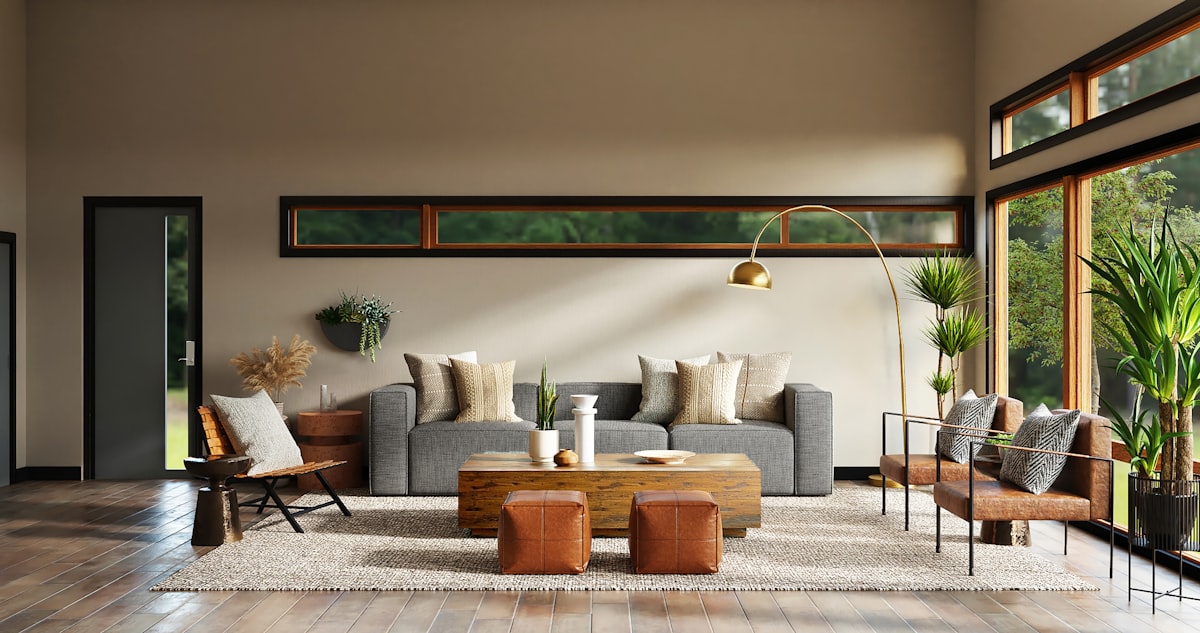
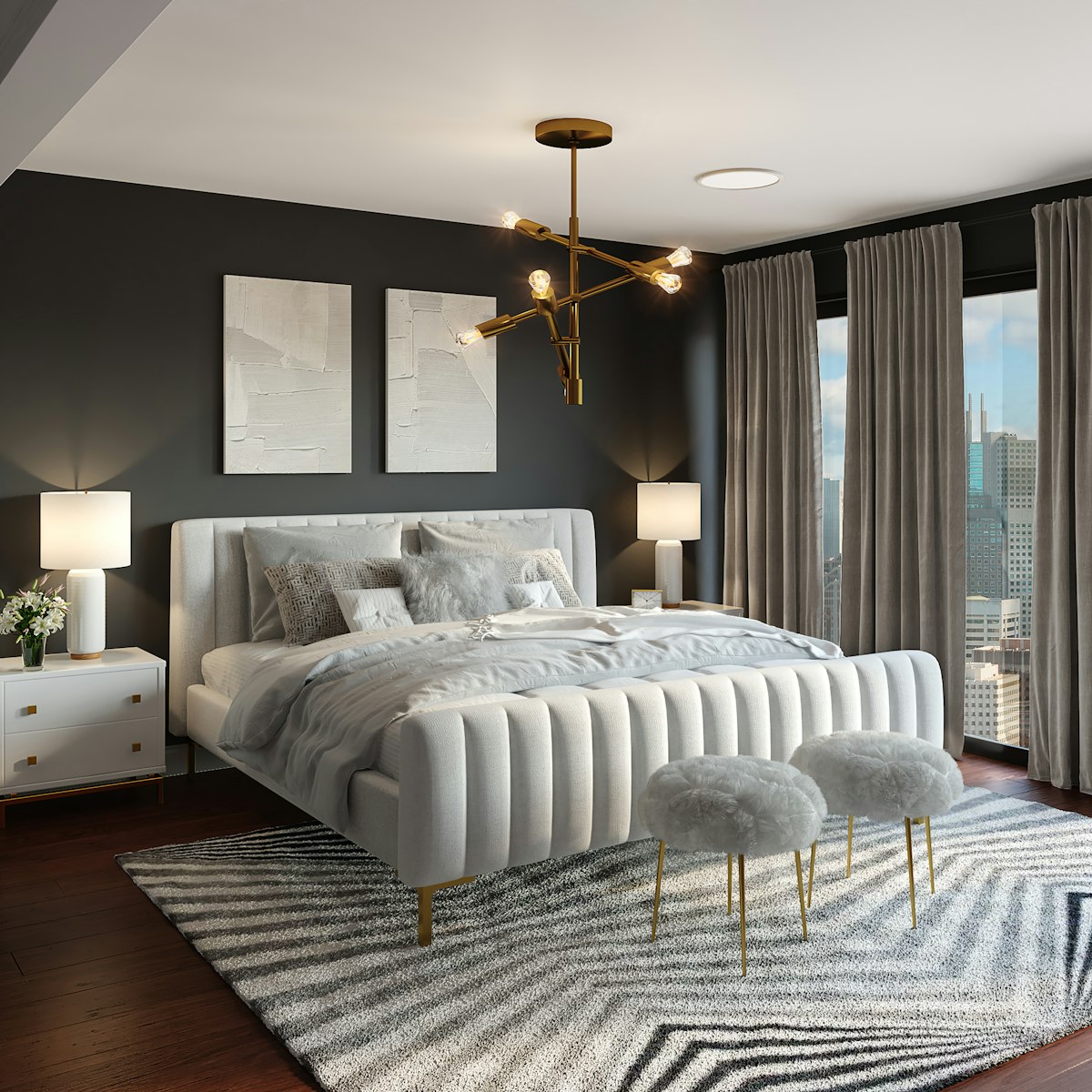
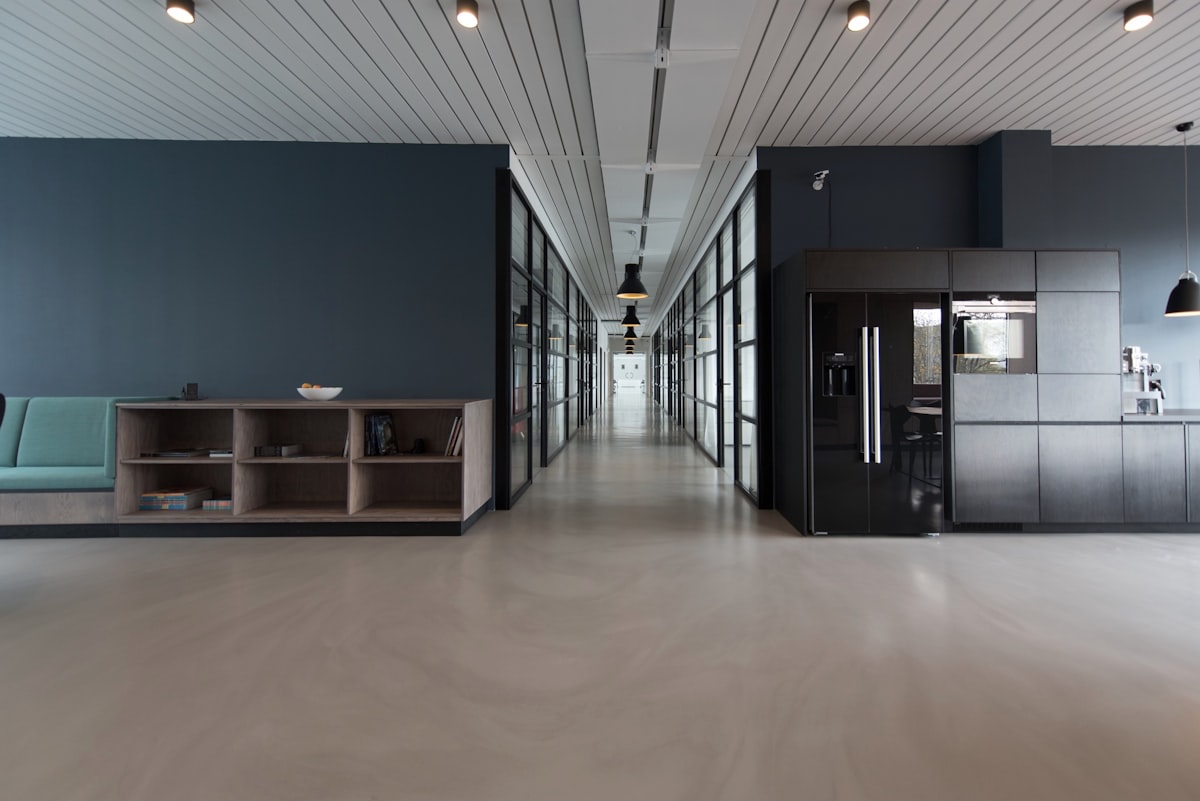
Start from the constraint the room imposes rather than from taste. Living-room work is scaled to the sofa wall and needs a palette that survives both daylight and lamplight. Bedroom work runs to softer contrast and is hung lower, because it is mostly seen from a seated or lying position. Home-office work has to read well on a video call without tiring the eye over a working day.
How big should a print above a sofa be?+
Roughly two-thirds of the sofa's width, counted across the whole arrangement rather than the single sheet — so a 2-metre sofa wants about 130 cm of art, which can be one large piece or three smaller ones hung with a consistent gap.
How high should art be hung?+
Centre the image at about 145 cm from the floor, which puts the middle of the piece at eye level for most people standing. Drop it in a bedroom, where you are usually below it, and above a sofa or a desk measure from the furniture instead: 25–30 cm of clear wall between the top of the sofa back and the bottom of the frame.
What sizes are the prints, and can I hang them as a pair?+
Works in the room edits run 40×30 – 60×40 cm. The smaller format is the one that works in pairs and groups — hang them with a consistent gap of around 5–8 cm and align either the tops or the centres, not both. The larger format is usually better on its own as the anchor of a wall.
Can the same print work in more than one room?+
Often, yes — the room edits are filtered views of the same 130 works, so a piece can appear in two of them. Where a work only appears in one, it is usually because of contrast: a very high-contrast image that anchors a living room will keep a bedroom feeling awake.
Do the prints arrive framed?+
No. Every print ships unframed and rolled in a rigid tube, which is deliberate rather than a saving — framing is the part of the decision that depends most on the room, and a frame chosen in a warehouse rarely survives contact with a real wall.