Photography
How to Buy Photography Online
By Alexander van der Meer·· 5 min read
Buying photography online has one problem the general advice does not cover: you are judging a physical print from a backlit screen. Here is how to close that gap.
The general advice about buying art online — check the returns policy, look for a real address, pay by card — applies here and is covered in our guide to buying art online with confidence. This piece is about the part that is specific to photography, and it comes down to one problem.
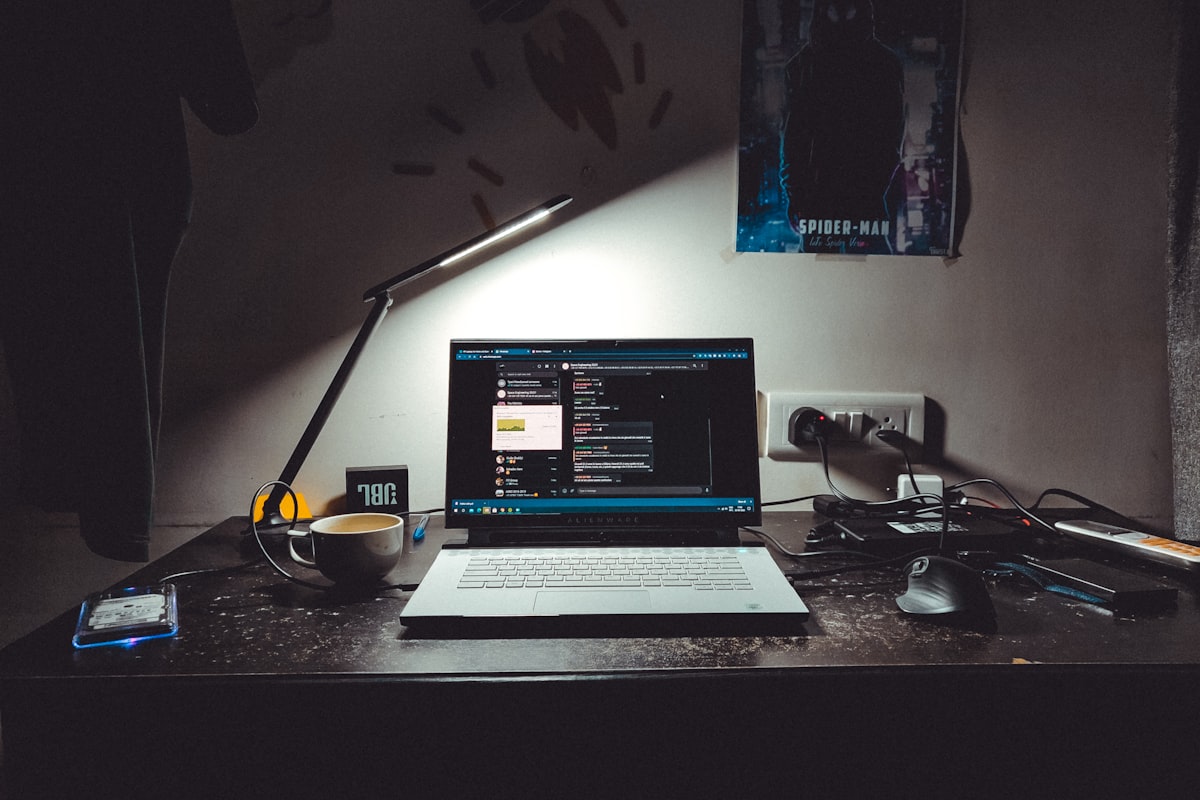
You are judging a reflective object from an emissive one. The listing image is glowing; the print is not. Everything below is about closing that gap before you spend, rather than after.
The screen-to-print gap
Three things reliably differ between the image you see and the print that arrives.
- Contrast is lower on paper. A backlit screen can show a much wider range between its darkest and brightest points than ink on paper can. Deep shadows that read as rich on screen will be closer together in print.
- Saturation is lower on paper, particularly on matt and cotton papers, which scatter light rather than reflecting it cleanly. A matt print of a vivid image will always be more restrained than the file.
- Your screen is probably not calibrated. Most laptop and phone displays run cool and bright by default, so images tend to look slightly bluer and punchier than they will on the wall.
None of this is a defect. It is the difference between light and pigment, and every print from every gallery is subject to it. But it means an image that only just works on screen — dark, subtle, low-contrast — carries real risk, while a strong composition with clear tonal structure translates reliably.
Practical mitigations
View the listing on more than one device; the truth is somewhere between them. Turn your screen brightness down to about half, which is closer to how a print reads in a lit room. And be a little sceptical of very dark images, which are the most common source of "it looked different online".
What to check on the listing
Photography-specific, in priority order.
1. The process and the inks
Pigment or dye is the single most consequential question, because it decides whether the print is stable for decades or shifts within a few years. "Archival" without "pigment" is a marketing word. Our three-way process comparison covers what each method does.
2. The paper, by name
A named paper means somebody chose it. Vague "premium paper" with no further detail usually means it came with the printer. For photography the paper choice is part of the artwork — it decides the surface, the black point and how the mid-tones hold.
3. The edition, stated as a number
"Limited edition" without saying limited to what is not a commitment. You want a number, confirmation of whether proofs exist outside it, and ideally a way to see how many have sold. Every work here is an edition of 25 with a live counter on the product page.
4. Actual dimensions in centimetres
Not "available in all sizes" — a photograph sized to order is a reproduction being sold as one. And check the aspect ratio against your wall, because a 3:2 image and a 4:5 image at the same width occupy very different amounts of it. Our print size guide covers the measurements.
5. Whether it ships flat or rolled
Rolled in a rigid tube is standard and correct for unframed prints; flat in a rigid mailer is fine for smaller sizes. Folded, or sent in a soft envelope, is disqualifying. Prints here ship unframed and rolled in a sturdy protective tube.
Questions that reveal a bad seller
You do not need to be adversarial about this. Ask three questions by email and see what comes back.
- "Which inks and which paper?" — a real gallery answers in one line. Vagueness here is the strongest single signal.
- "How many of the edition have sold?" — an honest seller either knows or says they do not track it. An evasive answer means the edition is not being managed.
- "Who signs the print, and where?" — the answer should be the artist, by hand, on the front margin or the reverse. Anything involving a stamp or a printed signature is an open edition wearing a costume.
Before you click buy
Check the returns window covers the case you actually care about — that the print is fine but wrong on your wall. That is the realistic failure mode, and a policy that only covers damage does not help with it. Prints here can be returned within 14 days of delivery, unframed and in original condition, for a full refund.
Then measure the wall one more time. Sizing, not taste, is the most common regret. If you are choosing your first piece, how to choose a first photography print works through it step by step.
Frequently asked questions
- How do I buy photography online without seeing the print?
- Judge the process and the paper rather than the screen image. Confirm pigment inks, a named paper, a stated edition size and real dimensions in centimetres, then check the returns window covers a print that is fine but wrong for your wall — the realistic failure mode.
- Why does a print look different from the image online?
- You are comparing a backlit screen to a reflective surface. Paper shows less contrast and less saturation than a display, and most screens run cool and bright by default. Very dark or low-contrast images carry the most risk; strong tonal structure translates reliably.
- What should I ask a seller before buying a photographic print?
- Three questions: which inks and which paper; how many of the edition have sold; and who signs the print and where. A real gallery answers all three in a line each. Vagueness about inks and paper is the strongest single warning sign.
- Is it safe to buy fine-art photography online?
- Yes, with the same precautions as any online purchase — card payment, a clear returns policy, a real business address and contact details. The photography-specific risk is not fraud, it is buying a print whose process and paper are not what you assumed.
- How should a photographic print be shipped?
- Rolled in a rigid protective tube, or flat in a rigid mailer for smaller formats, with tracking. Never folded and never in a soft envelope. Prints here ship unframed and rolled in a sturdy tube, with EU delivery typically taking 3–7 business days.
- Can I return a print if it does not suit the room?
- That depends on the seller, and it is the policy worth checking most carefully — a returns window covering only damage does not help with the common problem. Prints here can be returned within 14 days of delivery, unframed and in original condition, for a full refund.