Contemporary
Building a Contemporary Art Wall on Any Budget
By Alexander van der Meer·· 4 min read· Updated
A gallery wall is about the relationships between pieces, not the price of any one of them. A step-by-step method for curating prints that work together.
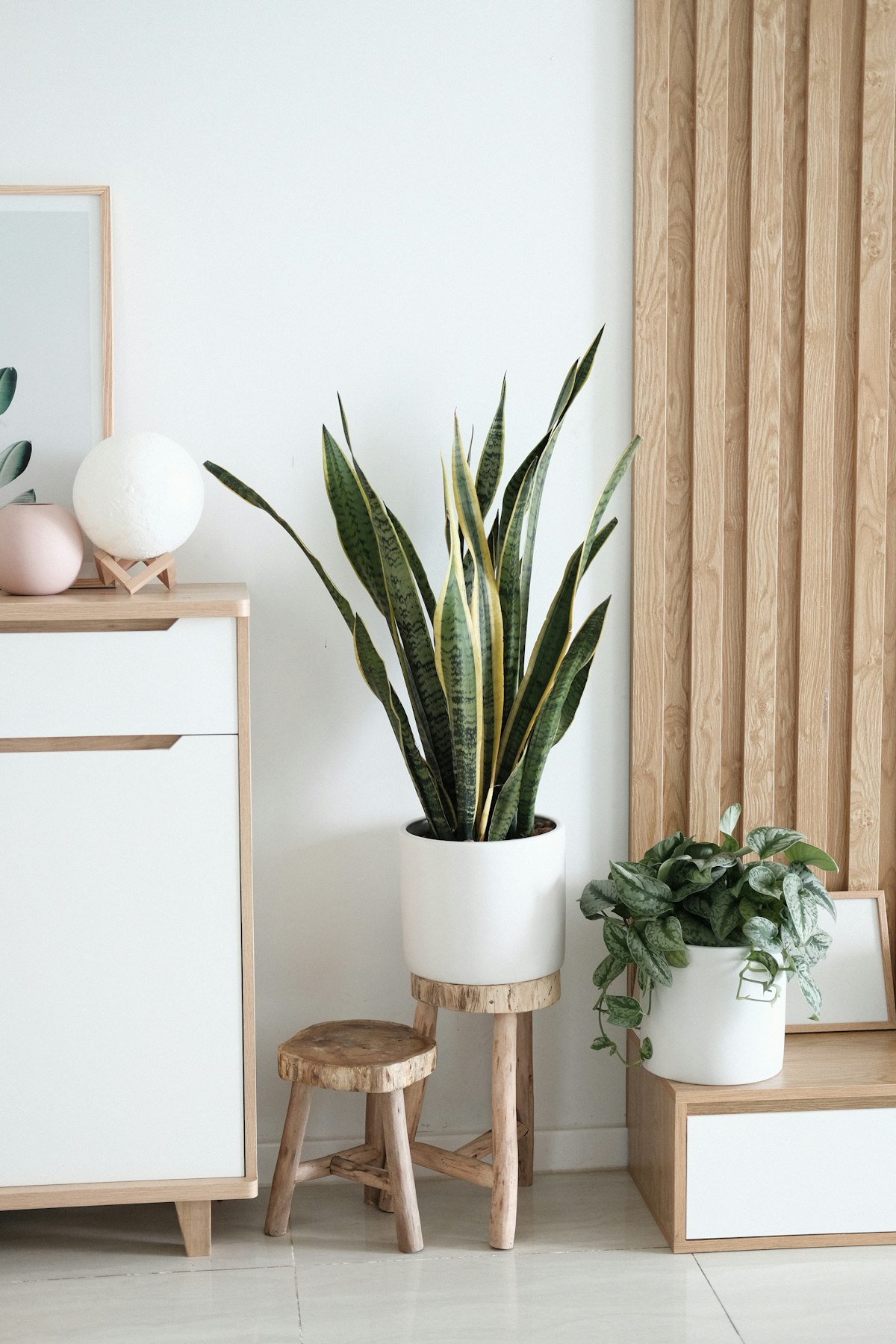
A great art wall is about the relationships between pieces, not the price of any single one. Some of the best walls we have seen were built from prints costing under €100 each — and some of the worst were expensive pieces hung without a plan.
With signed fine-art prints starting at €65, the constraint is rarely budget. It is method. Here is one that works.
Step 1: Pick a thread
Every gallery wall that reads as curated has one thing holding it together. Choose exactly one:
- A palette — all monochrome, all warm tones, all muted. The easiest thread to get right, and the most forgiving.
- A subject — architecture, water, portraits, botanicals. Works even when the styles differ wildly.
- A medium — all photography, or all mixed-media. The images can vary; the surface quality unifies them.
- An artist — a run of works by one maker is the strongest thread of all. Browse artists to find a body of work you respond to.
A set of contemporary photographs sharing a single palette will look intentional even when the individual images have nothing else in common. Two threads at once is fine. Zero threads is a wall of unrelated pictures.
Step 2: Mix scale deliberately
Equal-sized prints in a neat grid look formal and safe. An anchor piece plus smaller satellites looks collected. Both are valid, but you should choose one on purpose.
For the collected look, use one piece roughly twice the size of the others, positioned slightly off-centre, with the smaller works clustered around it. The eye lands on the anchor and then travels — which is exactly what you want a wall to do.
Step 3: Keep spacing consistent
This is the single detail that separates "curated" from "cluttered". Keep the gaps between frames even at 5–8 cm throughout. Tighter than 5 cm and the wall feels crowded; wider than about 10 cm and the pieces stop reading as a group.
Consistency matters more than the exact number. Pick a gap, measure it every time, and the wall will hold together even with wildly different images inside the frames.
Plan it on the floor first
Lay the whole arrangement out on the floor before a single nail goes in. Better still, cut paper rectangles to size and tape them to the wall — it takes twenty minutes and saves a wall full of holes. Hang the anchor piece first, then work outward.
Step 4: Frame with restraint
Mixed frames can work, but only if something else is tightly controlled. If the images vary, keep the frames identical. If the frames vary, keep the images tightly themed. Varying both at once is where gallery walls fall apart.
Because ArtMarket prints ship unframed and rolled in a tube, you can buy standard frames in a single finish and build the whole wall to one specification. Our framing guide covers mats, glazing and what to avoid.
Step 5: Grow it over time
Start with three pieces. Three is enough to establish the thread and the spacing, and it looks complete on its own — so the wall never sits in a half-finished state while you save for the next piece.
Then add as you find work you actually want. A wall built over two years tells you something about the person who lives there. A wall bought in one afternoon usually does not.
Browse the full catalogue, or start with art under €100 and black & white — two collections that make easy, coherent starting points.
Frequently asked questions
- How much space should I leave between frames on a gallery wall?
- Keep gaps even at 5–8 cm between frames. Consistency matters more than the exact measurement — pick one gap and repeat it throughout, and even very different images will read as a deliberate group.
- How many prints do I need for a gallery wall?
- Start with three. Three pieces are enough to establish a visual thread and consistent spacing, and the arrangement looks finished on its own, so you can add more later without the wall ever looking incomplete.
- Do all the frames need to match?
- Not necessarily, but you should only vary one thing at a time. If the images are very different, keep the frames identical. If the frames vary, keep the images tightly themed by colour or subject.
- How do I build an art wall on a small budget?
- Choose a single unifying thread — one palette, one subject or one artist — and buy affordable signed prints over time rather than all at once. ArtMarket prints start at €65, and EU orders over €175 ship free.