Photography
Art for Airbnb
By Alexander van der Meer·· 5 min read
Art in a short-let has a different job: it has to photograph well, survive strangers, and offend nobody. That narrows the field usefully.
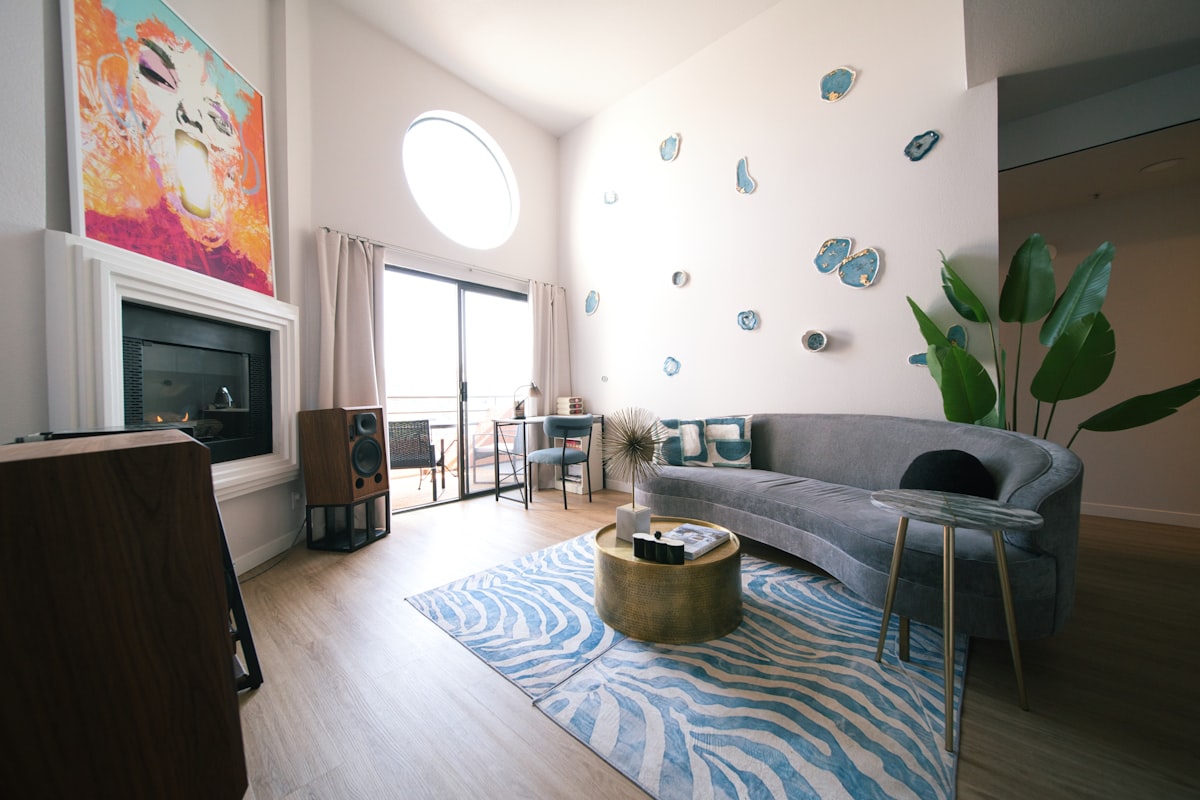
Art in a short-let property is not doing the same job as art in your own home. It has to work in listing photographs, appeal to people whose taste you will never know, survive guests, and — the part most owners forget — not create a legal problem. That is a genuinely different brief, and it narrows the field in useful ways.
It has to photograph well
Most of the return on art in a short-let is earned before anyone arrives, in the listing photos. That has specific consequences.
- Contrast reads; subtlety does not. Listing photos are usually shot wide, with a phone or a wide-angle lens, often at speed. A subtle tonal image becomes a grey rectangle at that scale. Strong compositional structure survives.
- Glazing is the enemy. Glass reflects the photographer, the flash, and the window. This is the single biggest practical argument for hanging prints unframed, or with anti-reflective or matt glazing, in a property that will be photographed.
- Scale reads as quality. One generous piece above the bed photographs as a considered interior. Four small frames photograph as clutter, because at listing-photo size they lose all detail and become shapes.
It has to appeal broadly without being bland
The instinct is to play safe, and safe usually means the beige abstract that appears in ten thousand rentals. That is a mistake in a market where guests choose between similar properties on the strength of photographs — being indistinguishable is the actual risk.
The better strategy is specific but not personal. Landscape and place-based photography does this well: it is legible to everyone, carries no political or personal content, and can tie the property to where it actually is. A guest booking a coastal apartment responds to coastal work in a way they do not respond to a generic abstract.
What to avoid: nudity, religious or political imagery, anything unsettling, and anything obviously personal to you. Not because guests are fragile, but because a short-let is a space people are asked to relax in immediately, without context.
Tie it to the location
The single highest-return decision. Art that reflects where the property is gives guests a sense of place and gives you something specific to say in the listing.
For a coastal or southern property, the Mediterranean edit is the obvious fit — warm light, palms, water, informal southern scenes. For rural or mountain properties, landscape work. For a city apartment, architecture and cityscape.
Our guide to art for Mediterranean interiors covers the light and glare issues that come with sunlit properties, which most short-lets in the south have.
It has to survive guests
Practical durability, in order of what actually goes wrong:
- Fix it to the wall properly. Two hooks rather than one, so a knock does not leave it hanging crooked for the next three bookings. Museum putty on the lower corners stops rotation entirely.
- Avoid glass in bedrooms above beds and in bathrooms. Acrylic glazing is lighter, does not shatter, and is the sensible choice anywhere a guest might knock it.
- Keep humidity in mind. Bathrooms and kitchens cockle cotton papers. If you hang there, use a sealed frame or accept the piece is consumable.
- Buy something replaceable. Not disposable — replaceable. A print in a current edition can be reordered if one is damaged; a one-off cannot.
The licensing question
Worth being precise about, because it comes up and is widely misunderstood.
Buying a print gives you ownership of that physical object, not the copyright in the image. In practice, for a short-let, that means:
- Hanging it in a property you rent out is fine. It is a private interior, and displaying a work you own in a space you control is a normal use.
- It appearing incidentally in your listing photographs is normally fine — it is part of the room being photographed, not the subject of the photograph.
- Using the artwork itself as marketing material is not — cropping the image out of the room photo to use as a banner, putting it on your own printed material, or reproducing it in any form.
If your use goes beyond hanging it and photographing the room, ask. This is a short email, and any real gallery will answer it — you can reach us through the contact page.
Buying several pieces sensibly
A property usually needs four to eight pieces. Two suggestions from doing this at volume:
Buy in one order. Free EU delivery applies over €175, which most multi-piece orders clear comfortably, and everything arrives together so you can hang the whole property in one visit rather than three.
Buy one first if you are unsure. Order a single print, see it in the actual room and in a test photograph, then order the rest. Prints can be returned within 14 days, but a test piece is quicker than a return.
Prints here start at €65, are hand-signed limited editions of 25, and ship unframed and rolled — which also means you can frame consistently across a whole property at local cost rather than shipping glazed frames.
Frequently asked questions
- What art works best in an Airbnb?
- Work with strong compositional structure that survives listing photographs, tied to the property's location — coastal work for a coastal let, landscape for rural, architecture for a city flat. Specific but not personal: legible to everyone, with no political, religious or unsettling content.
- Can I hang art I bought in a property I rent out?
- Yes. Buying a print gives you the physical object, and displaying a work you own in an interior you control is a normal use. It appearing incidentally in listing photographs is also normally fine — what is not is using the artwork itself as marketing material.
- Should art be framed in a short-let?
- If framed, use acrylic rather than glass, and anti-reflective or matt glazing. Glass reflects the photographer and the window in listing photos and can shatter if a guest knocks it. Unframed or clip-hung prints avoid both problems and suit informal properties.
- How many pieces does a rental property need?
- Typically four to eight, depending on size. Favour fewer, larger pieces over many small ones — at listing-photo scale small frames lose detail and read as clutter, while one generous piece per room photographs as a considered interior.
- How do I stop guests knocking art off the wall?
- Hang from two hooks rather than one so a knock does not leave it crooked, and use museum putty on the lower corners to stop rotation entirely. Avoid glass above beds and in bathrooms, and prefer prints from a current edition that can be reordered if damaged.
- Is it cheaper to buy prints for a whole property at once?
- Usually, yes. EU delivery is free over €175, which most multi-piece orders clear, and everything arrives together so the property can be hung in one visit. If you are unsure about the look, order one print first and test it in a photograph before committing.