Contemporary
How to Start an Art Collection on a Budget
By Alexander van der Meer·· 4 min read
You don't need a big budget or an expert eye to start collecting art — only a spend you're comfortable with, the confidence to buy what you love, and the patience to build over time.
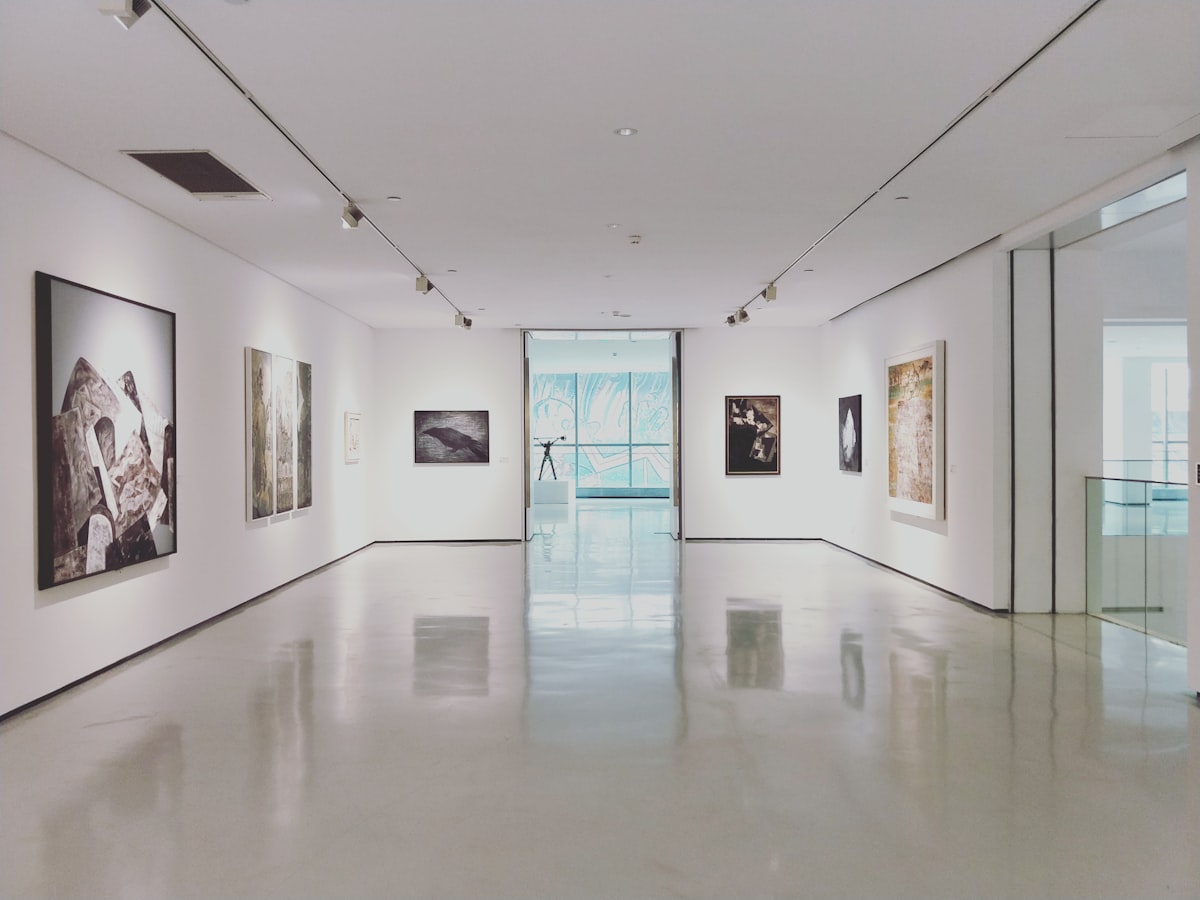
Most people think collecting art is something you do later — once there's more money, more wall space, more knowledge. There isn't a later. A collection is just a set of pieces bought one at a time by someone who paid attention to what they liked. You can start this month, on a modest budget, and the habits you build now matter more than the size of the first purchase.
Here's how to begin without overspending or second-guessing yourself.
Set a budget you won't regret
Decide what you're comfortable spending on a single piece before you start browsing — and treat it as a real limit. A sensible first number for many people is somewhere between €65 and €200. At ArtMarket, signed prints start at €65, and the art under €100 collection is signed by the same artists, on the same premium paper, as the rest of the gallery. The point of a budget isn't to buy cheap — it's to buy without stress, so the piece brings pleasure rather than guilt.
Buy what you love, not what you think you should
The single most freeing rule for a beginner: there is no correct taste. Ignore what's supposed to be important and buy the piece you keep coming back to. A collection built on genuine reactions will always feel more like you than one assembled to look impressive.
A practical test — look at a piece, close the tab, and return the next day. If you're still thinking about it, that's a real response, not an impulse. That instinct is the eye you're worried you don't have; you're simply training it.
Start with one piece, then let the room lead
Don't try to fill a wall at once. Buy one piece you're sure about, live with it, and let it tell you what comes next — a companion in the same palette, or a deliberate contrast. Collections that grow this way feel accumulated and personal, not delivered in a single box. If you want a fuller framework for grouping pieces, our guide to building a contemporary art wall covers scale and spacing.
Give it a loose thread
The difference between a collection and a pile of unrelated prints is a connecting thread — and it can be loose. A recurring colour, a shared subject, one medium, or simply a consistent mood is enough to make separate pieces read as belonging together. You don't need to decide the thread up front; it often emerges once you notice what you keep being drawn to.
Understand what you're buying
A little literacy protects your money. Learn the basics of paper, signing and editions so you can tell a considered fine-art print from a mass-produced poster — our guide to signed and limited-edition prints is the short version. And know the difference between prints and originals so you can choose the format that fits your budget without feeling you've settled.
Buy from people, not catalogues
Part of the pleasure of collecting is the connection to who made the work. Buying from named, independent artists — rather than an anonymous print farm — means each piece comes with a story you can keep. Browse by artist to find makers whose work you want to follow as they grow.
Every ArtMarket print is hand-signed, on premium photographic paper, shipped unframed and rolled with 14-day returns — so a first purchase is genuinely low-risk. Start with art under €100, or browse the full gallery and buy the first piece you can't stop thinking about.
Frequently asked questions
- How do I start an art collection on a small budget?
- Set a per-piece limit you're comfortable with — often €65–€200 to begin — and buy one signed print you genuinely love rather than several cheap ones. Signed prints start at €65, and a budget-friendly piece uses the same paper and artists as the rest of the gallery.
- How much should I spend on my first piece of art?
- Only what you can spend without stress, so the piece brings pleasure rather than guilt. There's no minimum that makes it 'real' collecting — a €65 signed print bought because you love it is a better start than an expensive one bought to impress.
- How do I choose art when I don't trust my own taste?
- Buy what you keep coming back to. Look at a piece, close the tab and return the next day — if it's still on your mind, that's a genuine response. Trusting that instinct, and repeating it, is how you build an eye; there is no 'correct' taste to get right.
- How do I make separate prints look like a collection?
- Give them a loose connecting thread — a recurring colour, a shared subject, one medium or a consistent mood. It doesn't need to be decided in advance; it often emerges as you notice what you're drawn to. That thread is what turns individual pieces into a collection.