Photography
Bedroom Wall Art Ideas That Help a Room Wind Down
By Alexander van der Meer·· 5 min read
The bedroom is the one room where art is seen mostly from lying down, in low light, at the start and end of a day. That changes what belongs on the wall — and where.
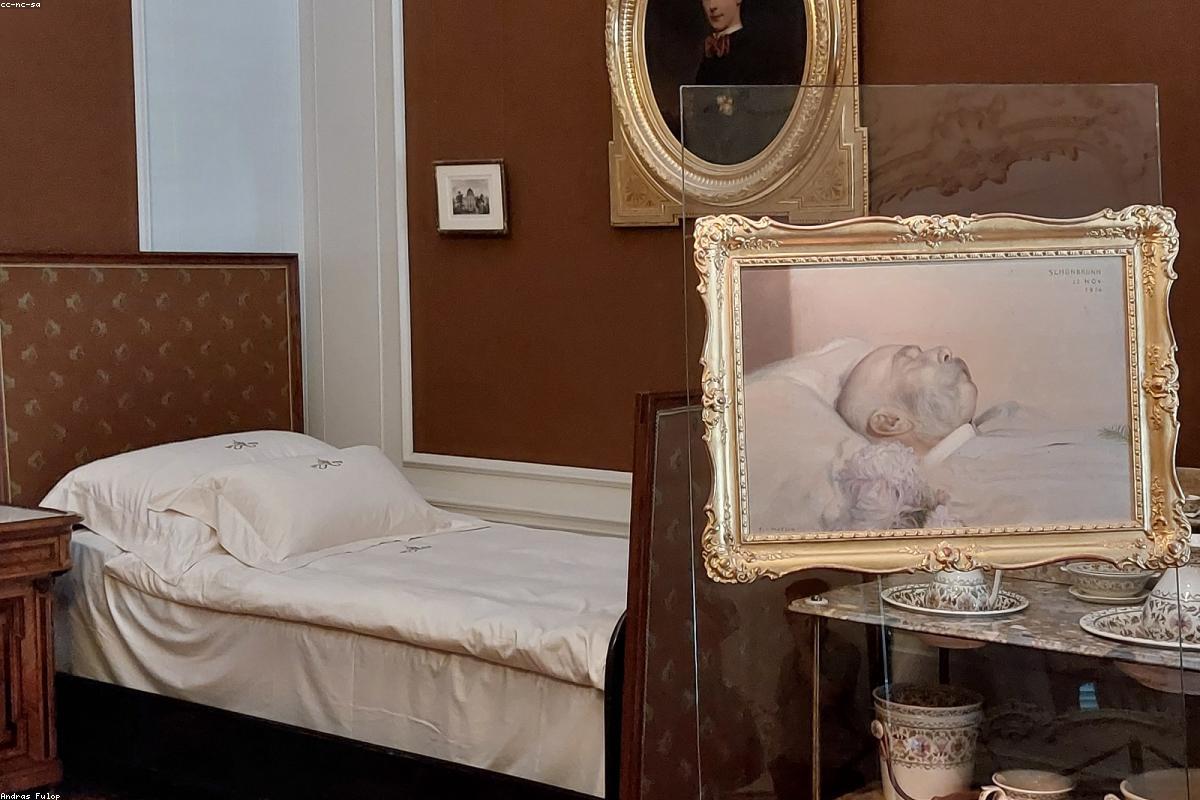
Most advice about bedroom art is really advice about living-room art with the word swapped. It misses what makes the room different: you see it in low light, half of it from lying down, and you are in it when you are least in the mood to be shouted at. A piece that reads as striking at midday in a shop can read as agitating at 6am above your own bed.
So the question is not just what looks good. It is what the room has to do — settle you at night and be tolerable first thing. Here is how to choose and place art with that in mind.
Start with the wall above the bed
The headboard wall is the room's obvious focal point and the one people most often get wrong, usually by hanging something far too small in the middle of a lot of empty wall.
How wide the arrangement should be
Work from the bed, not the wall. Art above a bed should span roughly two-thirds to three-quarters of the bed width:
- 140 cm double: about 95–105 cm of art
- 160 cm queen: about 105–120 cm
- 180 cm king: about 120–135 cm
That span rarely comes from one print. Two 60×40 cm works with a 6 cm gap cover about 126 cm; three 40×30 cm verticals with 6 cm gaps cover about 102 cm. A set is usually the more achievable answer above a bed, and it also reads as deliberate in a way a single undersized piece never does. Our art print size guide has the arithmetic for other furniture widths.
How high to hang it
The usual eye-level rule does not apply here, because the headboard is in the way. Hang so the bottom edge of the frame sits 15–25 cm above the top of the headboard — close enough that the art and the bed read as one composition, far enough that pillows do not knock it. In a room with no headboard, fall back to standard practice and centre the piece around 145–150 cm from the floor, as covered in our guide to hanging art at the right height.
One practical caution: anything hung directly above a pillow needs to be secure. Use two fixings rather than one, and choose the wall plug for the wall you actually have rather than the one in the packet.
Choose subjects that lower the volume
Bedrooms reward images with fewer competing focal points. Not blandness — quietness. Three directions that consistently work:
- Wide, empty landscape. Horizon lines are restful because the eye has somewhere to settle. Landscape and nature work is the safest starting point in any bedroom.
- Monochrome. A black-and-white photograph removes colour from the decision entirely, which means it cannot clash with bedding you change every season.
- Minimal abstraction. Minimalist work gives the wall something to say without giving it a story to tell at 3am.
What tends not to work above a bed: high-contrast images with a hard central subject, direct-gaze portraits, and anything with dense fine detail you will end up scanning instead of sleeping. Save those for the hallway or a home office, where being held by an image is the point. Our full bedroom edit is filtered along exactly these lines.
Do not forget the wall you actually look at
Here is the bedroom's real quirk: you almost never see the art above your own bed. The wall you look at is the opposite one — the one facing you when you are awake in bed and the first thing in your field of view in the morning.
It is worth treating that wall as the primary one and the headboard wall as the piece guests and you see on the way in. If you only buy one print for the room, hanging it opposite the bed rather than above it gives you more hours with it. A single medium piece, centred on the wall or above a dresser, is enough.
Small bedrooms
In a small room the instinct is to hang several small pieces. It usually backfires: multiple frames chop up an already short wall and make it read as busier and therefore smaller.
Better: one piece at a confident size above the bed, and nothing else on that wall. If the room is narrow, a vertical format draws the eye up and does more for the sense of height than a horizontal one. Keep frames slim and light in colour, and leave the wall opposite the window clear if that is where glare lands.
Light, glare and framing
Bedrooms are lit badly on purpose — bedside lamps, low warm bulbs, curtains half-drawn. Two things follow.
First, very dark images lose their detail in this light and can flatten into a black rectangle after sunset. If you love a dark piece, hang it where a lamp will reach it.
Second, glazing matters more here than elsewhere, because a lamp at bedside height throws reflections straight up onto the glass. Anti-reflective or matt glazing solves it; so does hanging the piece slightly off the lamp's line. Prints arrive unframed and rolled, so glazing is your choice — our framing and care guide covers which options are worth paying for.
A short checklist before you buy
- Measure the bed, not the wall, and target two-thirds of its width.
- Decide now whether it is one piece or a set — that determines the sizes you shop for.
- Check the piece still works in warm, low light, not just on a bright screen.
- Leave 15–25 cm between headboard and frame.
- Consider the facing wall before the headboard wall if you are buying only one.
Every ArtMarket work is a hand-signed limited edition, printed on premium photographic paper and shipped unframed and rolled so you can frame it to suit the room. If it is wrong for the space, there is a 14-day return window — which makes sizing a decision you can afford to make confidently rather than cautiously.
Frequently asked questions
- How wide should art above a bed be?
- Roughly two-thirds to three-quarters of the bed's width. Above a 160 cm bed that means about 105–120 cm of art in total, which is usually a pair or trio of prints hung as a set rather than a single piece.
- How high should I hang art above a headboard?
- Leave 15–25 cm between the top of the headboard and the bottom of the frame, so the art and the bed read as one composition without pillows knocking it. With no headboard, centre the piece around 145–150 cm from the floor.
- What kind of art is best for a bedroom?
- Images with few competing focal points: wide landscapes, monochrome photography and minimal abstraction. Avoid high-contrast pieces, direct-gaze portraits and dense detail above the bed — they hold attention in a room designed to release it.
- Should bedroom art be framed behind glass?
- Glass protects the print but reflects bedside lamps, which sit at exactly the wrong height. Anti-reflective or matt glazing avoids this. Prints ship unframed and rolled, so the glazing choice stays yours.