Photography
How to Choose Your First Photography Print
By Alexander van der Meer·· 5 min read
The hard part is not finding good photographs — there are thousands. It is narrowing them to one. A sequence that gets you there without regret.
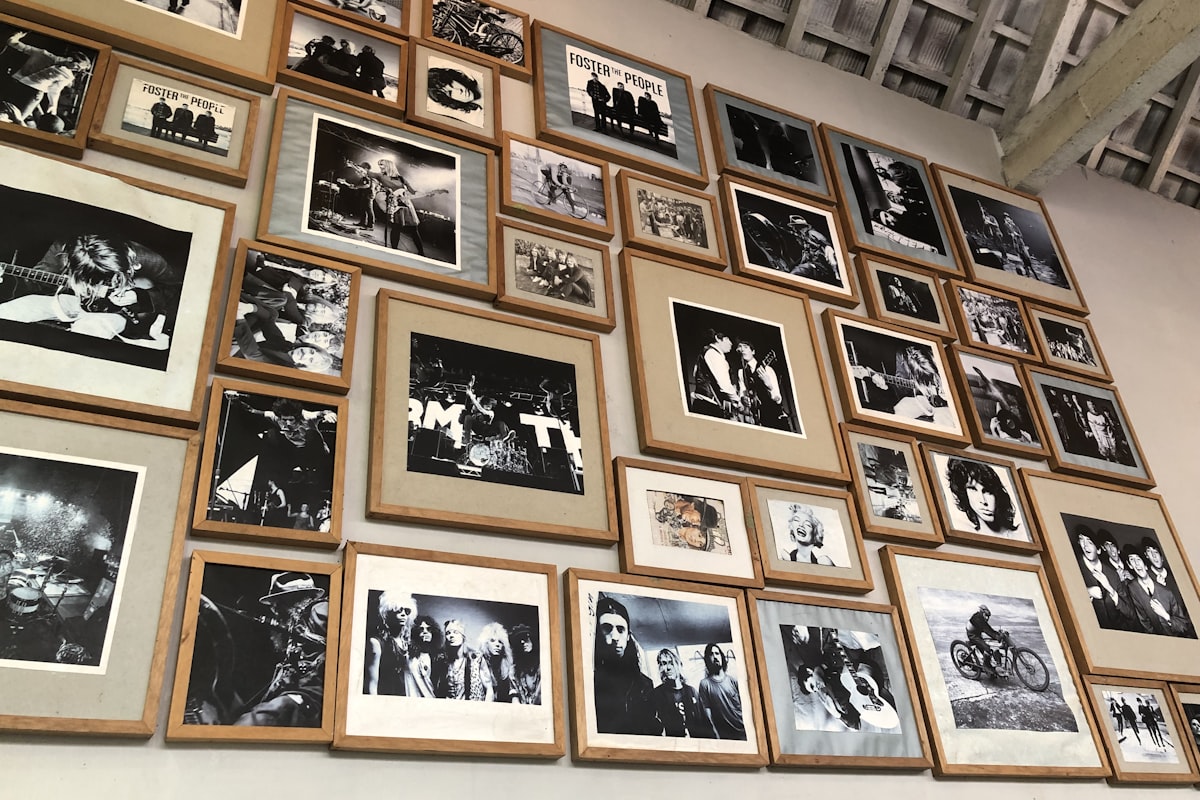
The problem with buying a first photographic print is not scarcity of good options. It is the opposite: you open a gallery site, everything is competent, nothing is obviously right, and after forty minutes of scrolling you close the tab. That is a decision-making problem, not a taste problem, and it has a procedure.
Work in this order. Each step eliminates most of what remains.
Step 1: Pick the wall first
Not the image. The wall. Measure the width, the height, and the width of any furniture beneath it, and decide the size before you look at anything.
Art above furniture should span roughly two-thirds to three-quarters of the furniture's width. Above a 200 cm sofa that means about 130–150 cm of art. On an empty wall, aim for the piece to occupy around 60% of the available width.
This single step cuts the field enormously, because most galleries let you filter by size, and it eliminates the most common regret. Sizing goes wrong far more often than taste does. The print size guide has the standard dimensions in centimetres.
Step 2: Decide what the room should feel like
One word. Calm, or alive, or focused, or intimate. Choose before browsing, because choosing afterwards means choosing whatever you have just been looking at.
- Calm — monochrome, wide horizons, fog, minimal compositions. Black-and-white work is the reliable answer here.
- Alive — colour, movement, unexpected juxtapositions.
- Focused — architecture, geometry, strong lines. Good above a desk.
- Intimate — close subjects, portraits, detail rather than scale. Better in hallways and bedrooms than on a main wall.
Step 3: Prefer images that reward the tenth viewing
Here is the difference between choosing a photograph for a wall and choosing one for a feed. A striking image is finished in a second — and you will walk past this one several times a day for years.
What survives that is structure rather than surprise: a composition with something to return to, tonal depth that changes as the daylight moves across it, detail that was not visible from the doorway. What does not survive it is a single clever idea, however good, and anything whose whole effect is a strong colour.
A practical test: look at the image, close the tab, and come back an hour later. If you want to look at it again, that is the signal. If you have to remind yourself why you liked it, keep going.
Step 4: Check the object, not just the picture
By this point you should have a small shortlist. Now check what you would actually be buying — pigment inks, a named paper, a stated edition size, real dimensions, a hand signature, and a certificate naming your specific print. Our checklist for buying photography online goes through each.
Every work in this gallery is a limited edition of 25 on premium photographic paper, hand-signed by the artist — usually on the reverse so the signature sits outside the image — with a certificate filled in by hand naming your number in the run.
Step 5: Buy one, and hang it before buying another
The most common first-purchase mistake is buying three pieces at once to fill a room. You cannot judge how a wall works until something is on it, and a piece that seemed secondary online often turns out to carry the room.
Buy one. Live with it for a fortnight. The second choice will be far easier, and it will be informed by an actual room rather than an imagined one.
The four mistakes first buyers make
- Going too small. By a wide margin the most common. A print that looks generous on a screen is smaller than you think against a real wall. When in doubt, go one size up.
- Choosing from the sofa, not the doorway. Most viewing of a wall happens while moving through the room, not while seated in front of it.
- Matching the furniture. Art that matches the cushions dates with the cushions. Choose something that sits alongside the room rather than colour-matching it.
- Forgetting the frame budget. Framing frequently costs as much as the print. Decide the whole number up front — the framing guide covers what to spend it on.
A sensible first purchase
A signed limited-edition print at under €100, in a size chosen from the wall rather than the price list. That is enough to own something real from a working artist, and low-stakes enough that being slightly wrong costs nothing much. The under-€100 edit uses the same paper, edition size and artists as the rest of the gallery.
Prints ship unframed and rolled in a protective tube, EU delivery takes 3–7 business days, and returns are accepted within 14 days if the piece is not right on the wall.
Frequently asked questions
- How do I choose my first photography print?
- Work in order: measure the wall and fix the size first, decide in one word how the room should feel, then shortlist images with structure that rewards repeat viewing rather than instant impact. Check the object last — inks, paper, edition, signature — and buy one piece before choosing a second.
- What size should my first print be?
- Above furniture, aim for two-thirds to three-quarters of the furniture's width — about 130–150 cm of art above a 200 cm sofa. On an empty wall, around 60% of the available width. Going too small is the single most common first-purchase mistake.
- How much should I spend on a first print?
- Under €100 is a sensible first purchase: enough for a genuinely good signed limited-edition print from a working artist, and low-stakes enough that being slightly wrong costs little. Budget separately for framing, which often costs as much as the print.
- What kind of photograph works best on a wall?
- Images with structure rather than surprise — a composition with something to return to, tonal depth that shifts with the daylight, detail not visible from the doorway. A single clever idea is finished in a second, and you will pass this piece several times a day for years.
- Should I buy several prints at once?
- No. Buy one and hang it before choosing another. You cannot judge how a wall works until something is on it, and a piece that seemed secondary online often turns out to carry the room. The second choice is much easier once the first is up.
- Should the print match my furniture?
- Better not to. Art that matches the cushions dates with the cushions. Choose something that sits alongside the room's palette rather than colour-matching it, and it will survive the next time you change the sofa.